- The French Quarter, officially called Vieux Carré, is located in downtown New Orleans along the Mississippi River.
- It spans approximately 78 square blocks, about 13 blocks long and 6 blocks wide.
- Founded in 1718 by Jean-Baptiste Le Moyne de Bienville, it is the city’s oldest neighborhood.
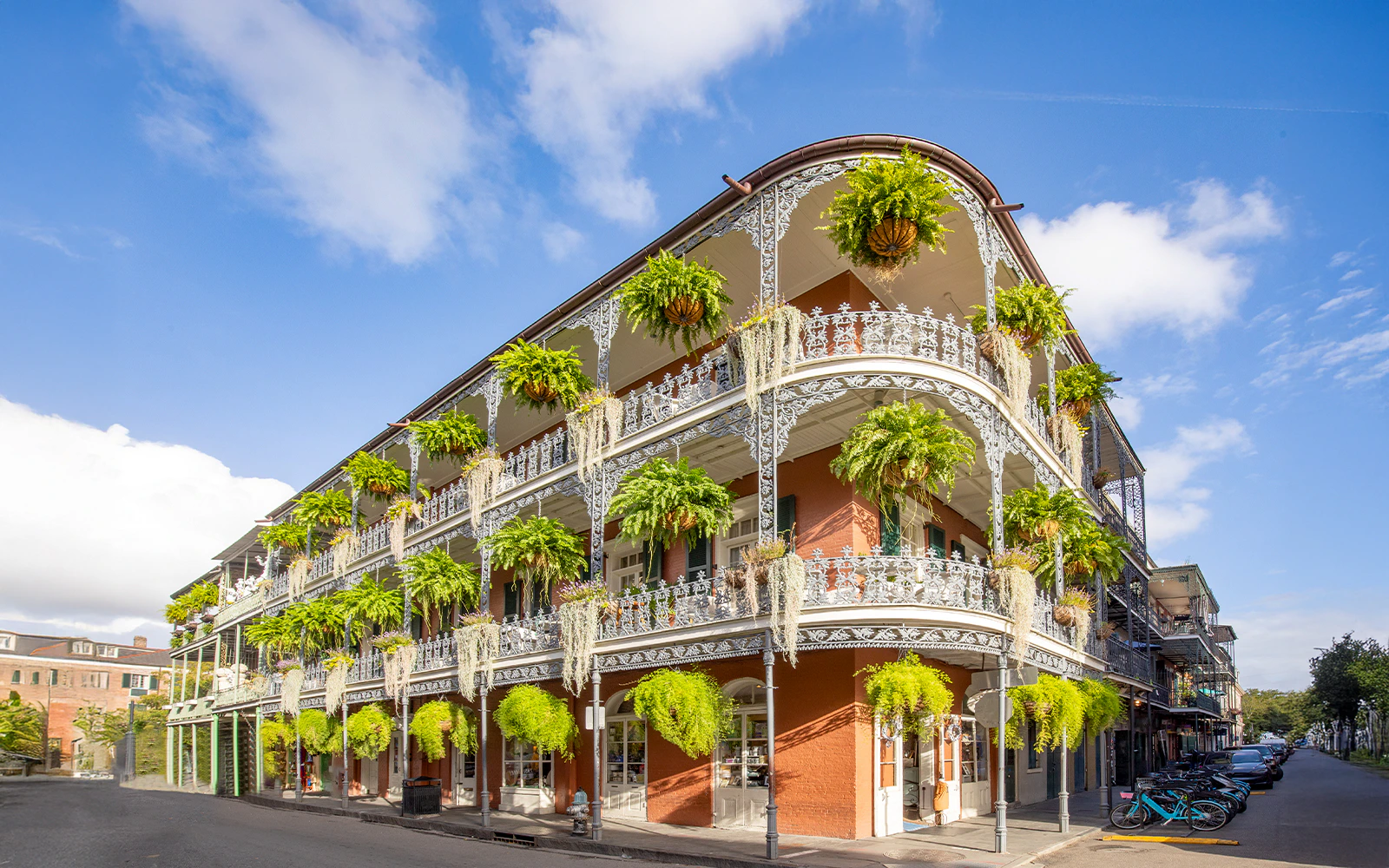
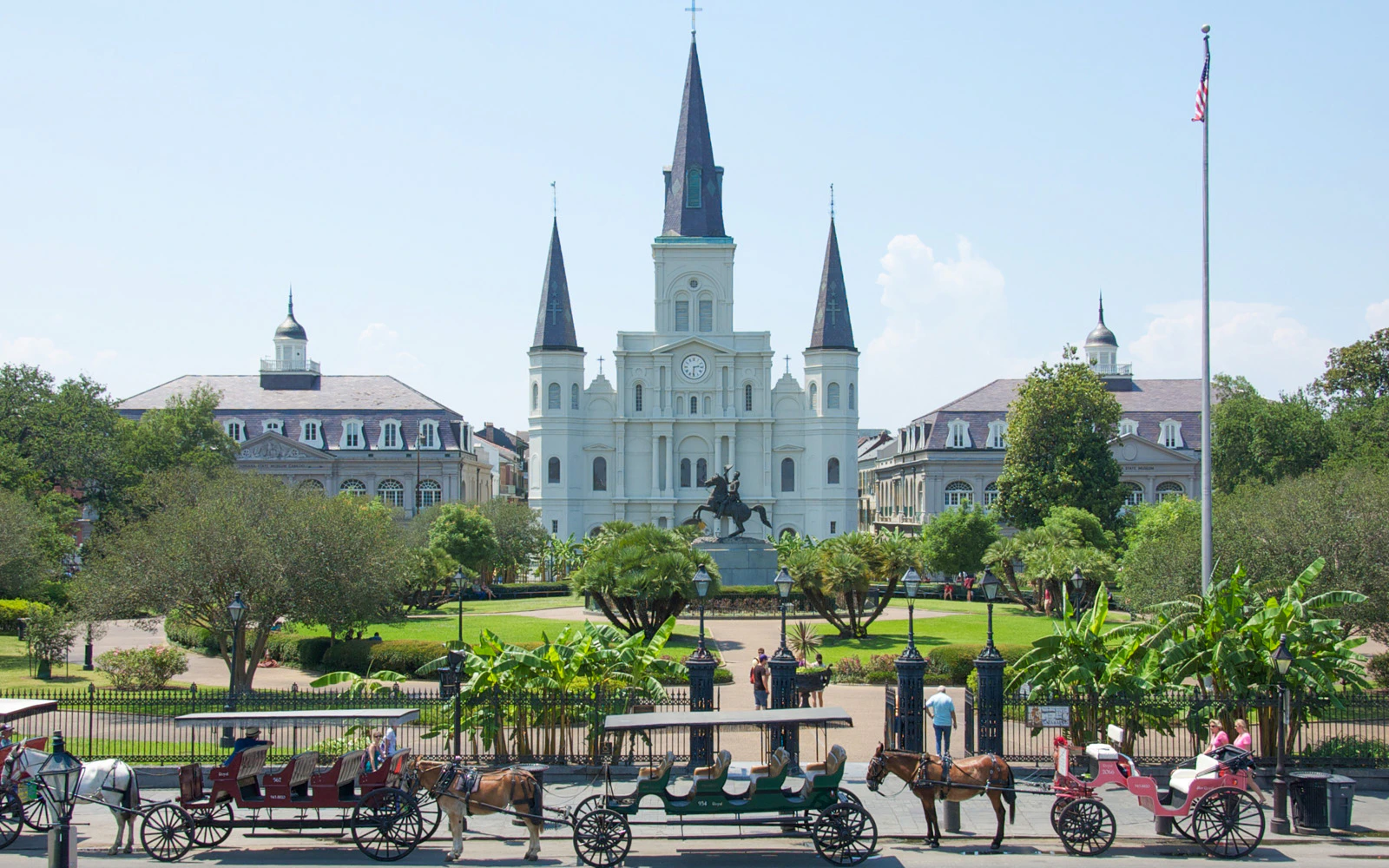
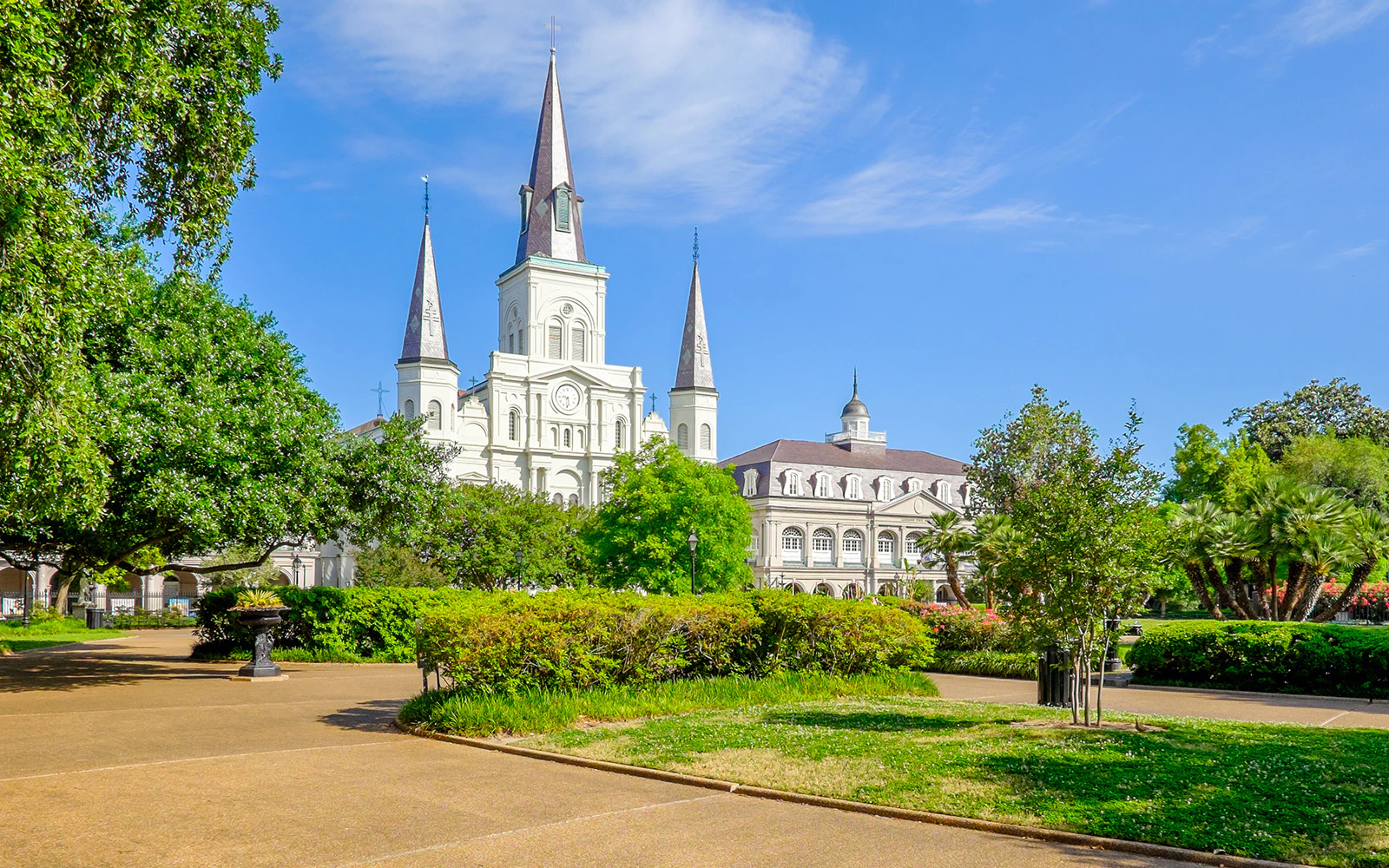
- The area features Creole townhouses with French and Spanish Colonial architectural styles.
- Large parts of New Orleans sit below sea level, protected by levees and pumps.
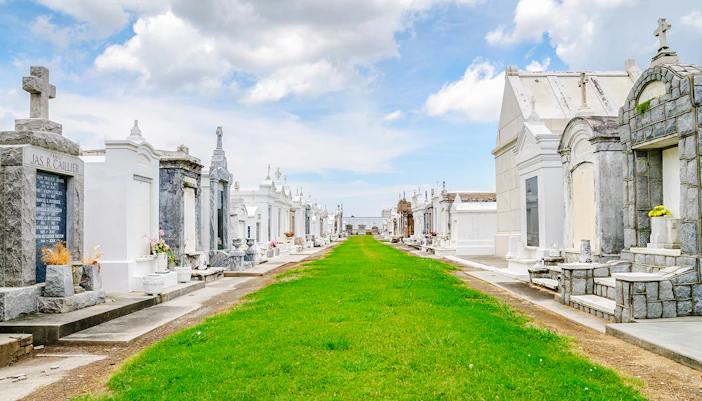
- Nicknamed “Cities of the Dead,” cemeteries here use above-ground tombs due to the city’s low elevation.
- Just outside the city, the bayous and swamps showcase Cajun and Creole traditions, gators, and unique ecosystems.
Visit the French Quarter, New Orleans’ most iconic district
The French Quarter is the heart of New Orleans, alive with history, jazz, and charm. Walk its cobblestone streets, admire Creole architecture, and uncover stories of culture, cuisine, and mystery around every corner.
Quick facts
History of the French Quarter, New Orleans
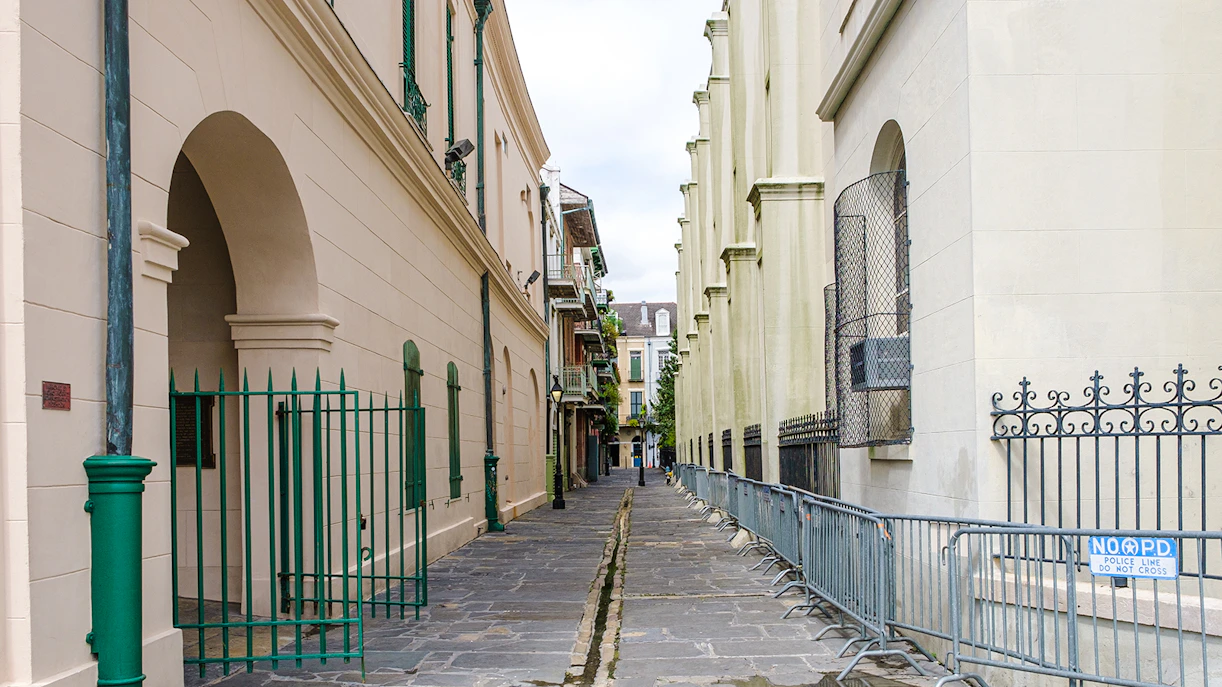
The French Quarter, also known as Vieux Carré, is the oldest neighborhood in New Orleans, founded in 1718 by Jean-Baptiste Le Moyne de Bienville. Designed in the classic French colonial style with narrow streets and hidden courtyards, it quickly became the cultural heart of the city. Over the centuries, the area absorbed Spanish, Creole, and African influences, shaping its unique architecture, cuisine, and music.
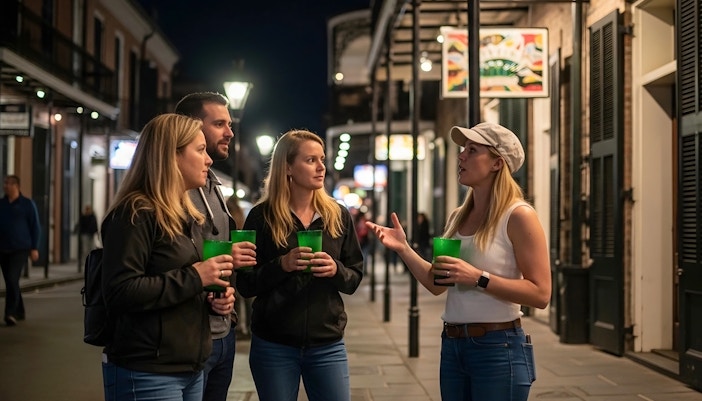
The Quarter is steeped in legends and a spooky past. Tales of haunted mansions, ghostly apparitions, and mysterious disappearances abound. The infamous LaLaurie Mansion, once home to a cruel socialite, is said to be one of the most haunted sites in America. Voodoo queen Marie Laveau’s spirit is rumored to roam the streets still, and historic cemeteries hold stories of restless spirits. These legends give the French Quarter a mystical and eerie allure that draws ghost enthusiasts from around the world.
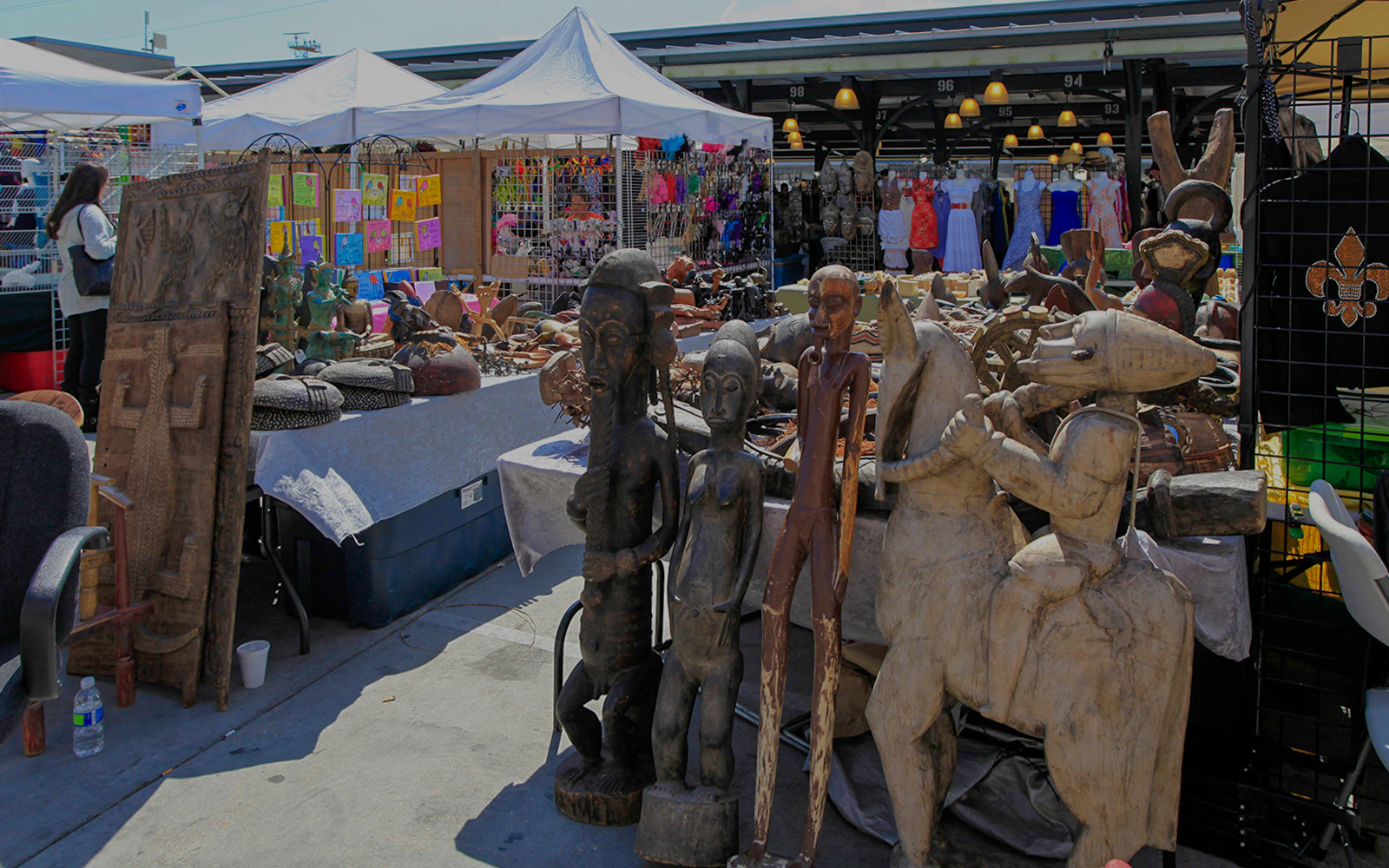
Today, the French Quarter remains vibrant and alive. Its streets are filled with jazz musicians, bustling markets, and world-famous eateries. You can stroll through lively Bourbon Street, explore hidden courtyards, and experience both the history and the modern culture of New Orleans. The French Quarter is a seamless blend of the city’s past and present, offering a rich tapestry of history, mystery, and entertainment at every turn.
Highlights of the French Quarter
Bourbon Street
The heart of nightlife in New Orleans, Bourbon Street, is famous for its lively bars, jazz clubs, and vibrant street performances.
Frequently asked questions about the French Quarter in New Orleans
It means “Old Square” in French, referring to the neighborhood’s original city layout and historic grid system.
Yes, many historic courtyards are visible from gates or accessible during guided tours, showcasing Creole architecture.
Royal Street is known for galleries and antique shops, while Chartres Street offers unique local crafts and historic charm.
Yes, the St. Louis Cemetery No. 1 is nearby and can be accessed via a guided tour .
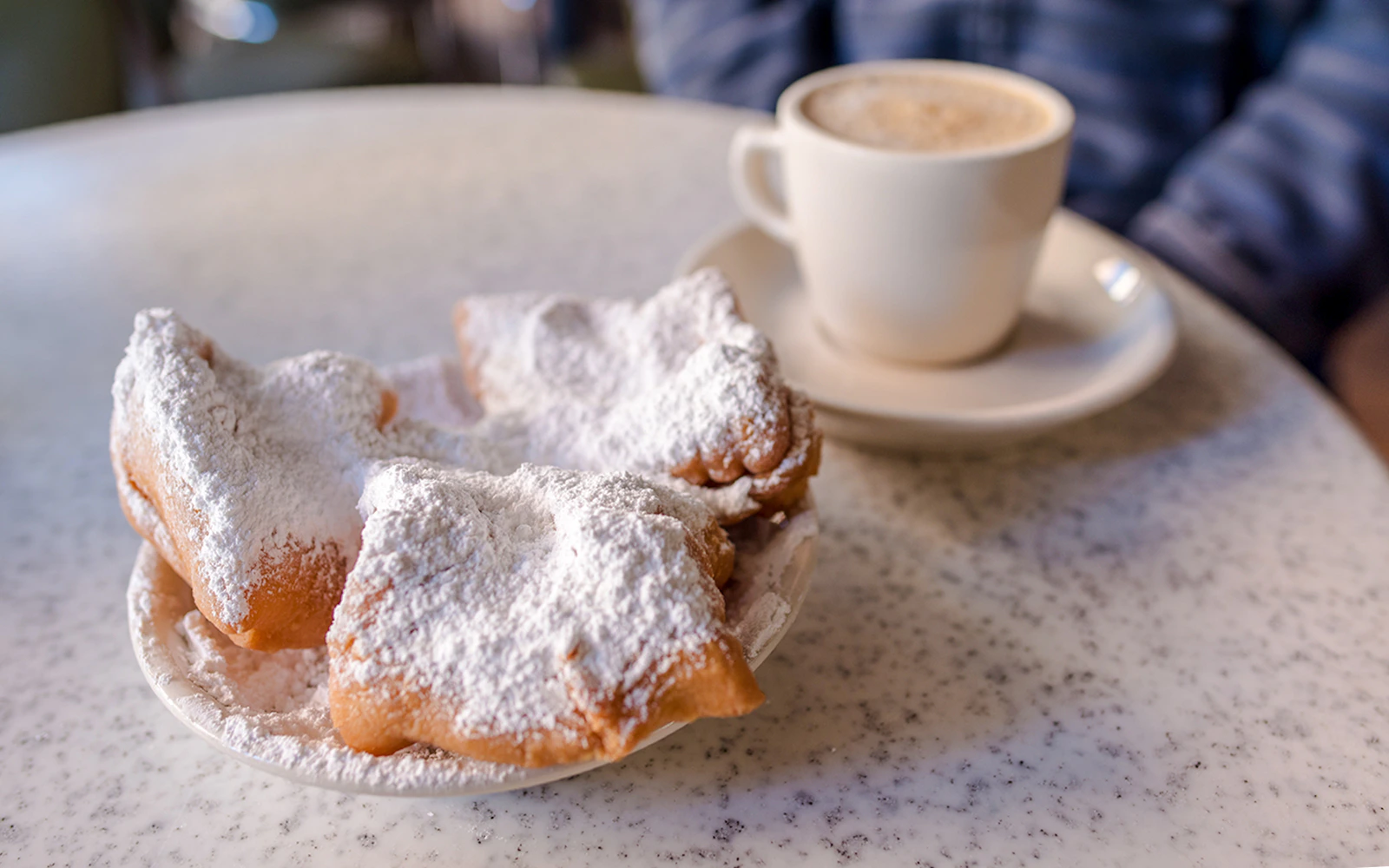
You can find authentic Creole cuisine in New Orleans' French Quarter at classic establishments like Brennan's, Antoine's, and Arnaud's, along with restaurants like Dicky Brennan's Tableau and Commander's Palace.
Yes, besides street performances and markets, there are museums like the Historic Voodoo Museum and art galleries suitable for all ages.
Ghost tours mix verified history with folklore, legends, and ghost stories, great for storytelling but not always 100% factual.
Photography is allowed in public areas, but private courtyards or residences require permission.